
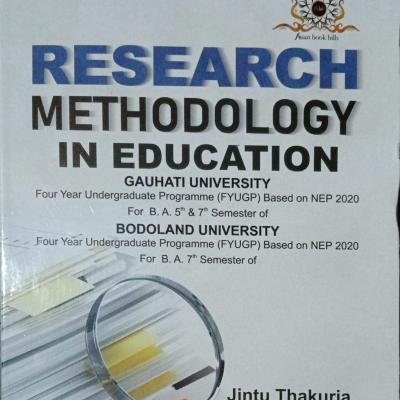
Research Methodology In Education
₹252.00
₹280.00

Follow Us





CONTENTS
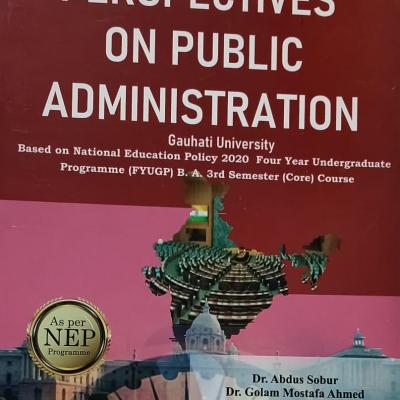
Unit-I: Public Administration as a Discipline 9-42
a. Meaning, Dimension and Significance: Meaning of Public Administration, Definitions of Public Administration, Important characteristics of Public Administration, Nature of Public Administration, Scope of Public Administration, Approaches of Public Administration.
b. Public and Private Administration: Differences and Similarities between Public and Private Administration, Importance of Public Administration, Role of Public Administration under Liberalisation, Privatisation and Globalisation (LPG), Significance of Public Administration.
c) Evolution of the Study of Public Administration as a Discipline: Emergence of New Public Administration, Meaning of New public administration, Features of New Public Administration, Principles of New Public Administration.
Model Questions 43-46
Unit-II: Theoretical Perspectives 47-80
a. Scientific Management Theory: Principles of Scientific Management, Taylor's Technique of Scientific Management, Goals of Scientific Management, Applications of Scientific Management Theory, Limitations of Scientific Management Theory.
b. Administrative Management (Classical Theory) of Luther Gullick and Lyndall Urwick: Criticism of Classical theory, Significance of Classical Theory, Administrative Management (Classical Theory) of Henry Foyal, Principles of Management, Disadvantages of Administrative Management Theory.
c. Ideal Type Bureaucracy (Max Weber): Meaning of Bureaucracy, The Concept of Max Weber's Bureaucratic Theory, Elements and paradoxes of bureaucracy, Max Weber's Bureaucratic Theory Organizational Structure, Major Principles of Max Weber's Bureaucratic Form, Features of Bureaucratic Organization, Criticism of Max Weber's Bureaucratic Theory, Relevance of Max Weber's Bureaucratic Theory.
d. Human Relations Theory of George Elton Mayo: The Human Relations Movement, Factors that influenced in the emergence of Human Relation Theory, Elements of Human Relations Theory, The Bases of Human Relations Theory, Characteristics of Human Relations Approach, Critical Evaluation.
e. Fred W Riggs' Ecological Approach to Administrative Theory: Ecological Approach, Structural-Functional Approach, Fused Models, Diffracted Model, Prismatic Model, Riggs Prismatic Society.
Model Questions 81-84
Unit-III:Personnel Administration 85-118
Personnel Administration. Nature of Personnel Administration, Stanificance of Personnel Administration.
a) Recruitment: Meaning of Recruitment. Features of Recruitmem. Methods and Types of Recruitment, Advantages and Disadvantages of Direct Recruitment (on merit principle). Advantages and Disadvantages of Indirect Recruitment by promotion), Positive and Negative Recruitment, Recruitment System in India, Panem of UPSC Examination; Training: Definition of Training, Objectives of Training, Importance of Training, Types of Training. Training in India, Advantages and Disadvantages of Training. Promotion: Meaning of Promotion. Importance of Promotion, Principles of Promotion, Advantage and Disadvantages of Seniority Principles of Promotion, Promotion in combination of seniority principle and merit principle, Demerits of Promotion System in India: The policies adopted by our country India regarding promotion are not flawless.
b) Public Service Commission: Need, Role and Independence: Composition of Union Public Service Commission, Functions Public Service Commissions, Need of Public Service Commission, Role of Public Service Commission, Independence of Public Service Commission.
c) Neutrality in Public Service: Meaning of Public Service, Functions of Civil Service Neutrality of Civil Service, Challenges to Civil Services, Commitment of Civil Services in India.
Model Questions 119-120
Unit-IV: Major Approaches in Public Administration 121-141
a. New Public Service Approach: Roots of the New Public Service, Comparing Perspective, Traditional Public Administration, New Public Management, and New Public Service, Implications and Conclusions:
b. New Public Management: Traditional Public Management, Beginning of New Public Management, Advantages of New Public Management, Modem Approaches to Management.
c. Good Governance: The concept of Governance and Good Governance, The emergence of the Concept of Good Governance, Components of good governance, Aims of Good Governance, Characteristics of Good Governance, How are good governance and human rights linked? Initiatives for Good Governance in India, Good Governance Index, Challenges to Good Governance, Philosophical basis of governance and probity.
d. Feminist Perspective: Understanding the Feminist Perspective, Feminint Approach, Gender Governance, Parameters of Understanding Gender in Administration.
Model Questions. 142-144
Your email address will not be published. Required fields are marked *
Please login to write review!
Looks like there are no reviews yet.